
Teacher morale affects everything in a school building. It dictates the energy in the hallways, the patience in the classroom, and ultimately, the success of the students. When educators feel valued and supported, the entire school ecosystem thrives. Conversely, when morale dips, burnout rises, and retention rates suffer.
Educators juggle heavy workloads, intense emotional labor, and high expectations throughout the school year. They are often asked to do more with less, acting as mentors, counselors, and instructors simultaneously. Because of this, maintaining high spirits requires more than a generic “Teacher Appreciation Week” once a year.
True morale is built through intentional, ongoing actions. It is constructed day by day through consistent support, genuine recognition, and a culture that values the human behind the ID badge. While specific policies matter, the feeling of belonging often comes from tangible appreciation and a strong sense of community. Here are seven realistic ways schools can uplift their staff and create a culture where teachers want to stay.
Recognizing Teacher Achievements Consistently
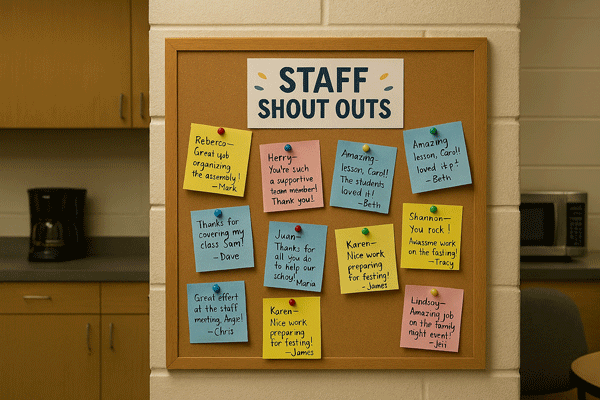
One of the fastest ways to drain morale is for hard work to go unnoticed. Teachers often perform small miracles daily – helping a shy student make a friend, spending a lunch break tutoring, or de-escalating a conflict – that never get acknowledged. Recognizing these efforts is crucial.
Effective recognition must be consistent and visible. It shouldn’t be reserved only for retiring staff or those with the highest test scores. Consider implementing a “shout-out” board in the staff lounge where peers can leave notes of gratitude for one another. You might also introduce themed recognition days or small awards given during staff meetings.
When teachers feel seen, they feel valued. A simple lapel pin for “Excellence in Mentorship” or a personalized note from administration can carry significant weight. These gestures validate their professional identity and remind them that their contributions – big and small – are respected.
Supporting Teacher Morale with Practical Resources
Nothing frustrates a professional more than not having the tools to do their job. When teachers have to beg for dry-erase markers or spend their own money on basic classroom supplies, it sends a message that their work isn’t fully supported. Alleviating this financial and logistical burden is a massive morale booster.
Ensure that the supply closet is stocked with functional materials and that accessing them isn’t a bureaucratic hurdle. Beyond the basics, consider providing branded items that reinforce a sense of belonging. High-quality school spirit gear, like custom tumblers for their morning coffee or sturdy tote bags for carrying papers, serves a dual purpose. It provides a useful resource while simultaneously building school pride. When a teacher walks in with a school-branded mug they didn’t have to pay for, it’s a small daily reminder that they are part of a team.
Building a Supportive Staff Community

Teaching can be a surprisingly isolating profession. An educator might spend all day surrounded by students but have very little interaction with other adults. Strong relationships between colleagues are often the glue that keeps teachers in the profession during tough times.
Administrators can foster these connections by prioritizing culture over dry policy. Break up the monotony of staff meetings with genuine team-building activities that aren’t cringe-worthy. Encourage informal check-ins and establish peer support systems.
Mentorship programs are particularly effective. Pairing a veteran teacher with a new hire creates a safety net for the novice and gives the veteran a sense of leadership and purpose. When the staff feels like a cohesive unit rather than a collection of individuals in silos, resilience goes up across the board.
Encouraging Work-Life Balance & Flexibility
Teacher burnout is a very real crisis. The “always-on” nature of the job, combined with the pressure to be accessible to parents and students around the clock, can be exhausting. Schools that actively encourage boundaries see higher morale. Even small adjustments build trust and show teachers that their well-being is a priority.
- Be Flexible
While schools operate on rigid bell schedules, administrators can still offer flexibility in other ways. This might look like “grace passes” that allow a teacher to leave 15 minutes early occasionally or ensuring that preparation periods are treated as sacred time, not to be filled with last-minute coverages. - Respect Personal Time
Establishing norms about email communication – such as not expecting responses on weekends – signals that the administration respects the staff’s life outside the building.
Creating a Positive Physical Environment

The physical environment of a school affects adults just as much as it affects students. If the only space teachers have to relax is a cluttered, beige breakroom with uncomfortable chairs, it doesn’t offer much respite.
Investing in staff spaces can yield high returns for teacher morale. A few upgrades to the teachers’ lounge – like comfortable seating, better lighting, or a fresh coat of paint – can make the space feel welcoming. Using colorful decorations, such as wall coverings or seasonal themes, can brighten the atmosphere.
Adding school-branded elements, like banners or custom signage that celebrates staff accomplishments, turns a sterile room into a place of pride. These environment tweaks show that the school intends to take care of its people, offering them a place to recharge that feels intentional and appreciative.
Encouraging Collaboration & Shared Ownership
When teachers feel like they are mere cogs in a wheel, morale plummets. When they feel like partners in the school’s success, engagement soars. Collaboration reduces the stress of decision-making and fosters a sense of shared ownership.
- Encourage departments to plan together and share resources so no one is reinventing the wheel alone.
- Create opportunities for cross-department collaboration, where the art teacher might work with the history department on a project. This breaks down barriers and builds mutual respect for different disciplines.
- When problems arise, involve teachers in finding solutions. Whether it’s a scheduling issue or a behavioral trend, asking for staff input validates their expertise and gives them agency over their work environment.
Fun, Low-Pressure Activities That Lift Spirits

Finally, never underestimate the power of fun. Schools are serious places with serious responsibilities, which makes moments of levity even more necessary. Laughter acts as a pressure valve in high-stress environments.
- Organize low-stakes, friendly competitions, such as a door decorating contest or a “best school spirit wear” day.
- Host casual staff events, like a breakfast buffet or a Friday afternoon treat cart. The goal isn’t to add another obligation to their calendar but to provide an opportunity for joy.
Inclusivity is key here – activities should be inviting, not mandatory pressure cookers. When staff members are laughing together in the hallway or cheering each other on during a spirit week, it strengthens the social fabric of the school.
Building a Culture That Lasts
Teacher morale is the foundation of a healthy school culture. It isn’t built overnight, and it isn’t maintained by a single gesture. Sustainable morale comes from a combination of consistent recognition, practical support, and a vibrant community.
When schools invest in their teachers – through respecting their time, providing the right resources, and celebrating their wins – they create an environment where excellence is possible. Small, thoughtful actions, from a handwritten note to a spirited staff hoodie, add up over time to create a workplace where educators feel truly valued.