
The most effective Homecoming fundraiser ideas replace traditional product sales with admission-based community events and friendly competitions. Activities like student-faculty basketball games, chore auctions, and themed bingo nights generate higher revenue and engagement by uniting students, parents, and local businesses in support of your school.
When you hear “Homecoming fundraiser,” do you automatically think of students going door-to-door? For decades, school fundraising has meant handing teenagers a catalog of overpriced candles or wrapping paper that nobody asked for. This traditional product-sales model exhausts students, creates awkward situations for families, and delivers diminishing financial returns every single year.
Fortunately, the best Homecoming fundraiser ideas do not require selling a single candy bar. The most successful school committees build their budgets around events, competitions, community nights, and activities that raise money because people genuinely want to participate in them.
Why Non-sales Homecoming Fundraiser Ideas Work Better
Traditional product sales create massive participation gaps. Students with smaller social networks or less family support simply raise less money, which creates inequity and disengagement across the student body.
Shifting to events and activities generates genuine excitement. Participation becomes its own reward. Non-sales Homecoming fundraisers bring students, parents, staff, and local community members together in the same place at the same time. That concentrated goodwill is an incredibly valuable asset.
Consider the revenue math. A well-promoted community event with a $5 admission fee and 200 attendees generates $1,000 in a single night. A committee would need to sell hundreds of rolls of wrapping paper to hit that same profit margin. Furthermore, non-sales events build a sustainable fundraising calendar. A car wash runs annually, and a Hat Day runs monthly, providing predictable, recurring income rather than a one-time push.
If you need to convince skeptical school administrators or booster clubs to ditch the catalogs, use these exact arguments to make your case.
Homecoming Fundraising Talent Show – Put Students, Staff, and Parents in the Spotlight

A talent show puts students, staff, and parents in the spotlight while operating as a highly profitable, admission-based community event. The cross-generational mix of performers is your main engagement hook.
Charge a small admission fee to spectators. A $3 to $5 ticket price works well for most communities. To maximize turnout beyond the school building walls, execute a community-wide advertising strategy using flyers, school social accounts, and local business postings. Secure the school auditorium or gym early, and announce the venue immediately so attendees know exactly what to expect.
Recruit acts using an open sign-up sheet with a hard deadline. Cap the show at 10 to 15 acts to keep the entire event under two hours. Choose a judging format early, such as a faculty panel or an audience applause meter, and communicate these rules to the performers. Finally, assign an energetic student council member or faculty volunteer as the emcee to keep the show moving.
Community Challenges and Friendly Competitions
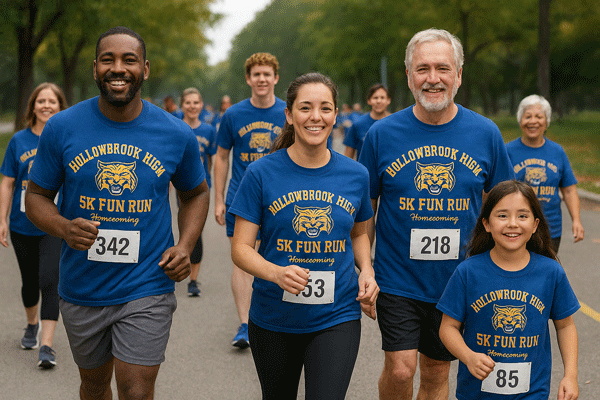
Competitions serve as massive Homecoming fundraising engines. They draw crowds, spark school spirit, and generate reliable admission revenue.
Student-Faculty Basketball Game
The competitive framing of students playing against staff is a massive draw. Keep the tone lighthearted and frame it as a friendly game where humor and trash talk are highly encouraged. Charge a $3 to $5 admission fee to parents, community members, and non-playing students. Add halftime mini-games or student council skits to maintain energy during the breaks.
Community Fun Run
A fun run offers the broadest participant base of any physical fundraiser because you can invite students, teachers, and staff. Offer 1K, 5K, and 10K distance options to make the event accessible regardless of fitness levels. The revenue model relies on per-kilometer donation pledges collected by participants prior to the event. Map a course around the school campus or through the surrounding community to extend visibility. Ensure participants receive a pledge sheet, a firm collection deadline, and clear check-in instructions.
The Reverse Chore Auction
In a traditional chore auction, participants offer services, and the highest bidder wins the chore. Switch the format for massive engagement: have teachers offer the chores, and let students do the bidding.
This role reversal is incredibly funny and highly profitable. Students will gladly pay a premium to “own” a teacher’s time. Offer specific chores like raking leaves, mowing lawns, painting rooms, babysitting, or cleaning. Set a minimum bid floor of $5 to $10 to guarantee revenue, and cap the total number of chores offered to keep the auction manageable.
Community Events Bring Everyone Together
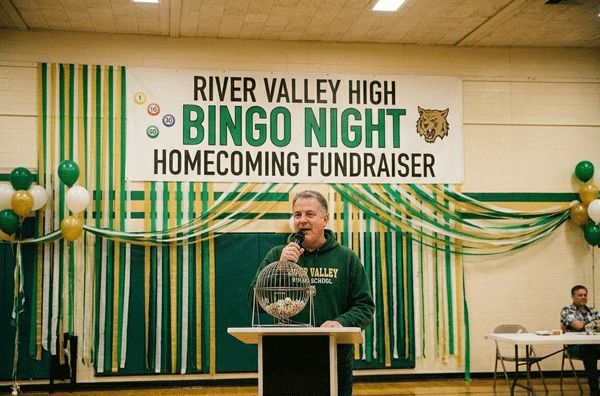
Event-format fundraisers generate revenue through attendance and participation fees, thriving simply because they provide a genuinely fun night out.
Bingo Night
Bingo nights attract students, staff, parents, and community members. Choose between an admission fee model for simpler management, or a per-play fee if you anticipate strong turnout. Secure small prizes for winners, such as spirit items, gift cards, or donated goods from local businesses. Buy printable BINGO cards in bulk, designate a caller with a strong voice, and secure a reliable sound system.
Silent Auction
A silent auction targets the broader community, operating on sealed bids for donated items where the highest bidder wins. Solicit donations four to six weeks in advance by sending a one-page sponsorship ask letter to local businesses. Display the items with clear starting bid minimums, close bidding at a strict time, and announce winners publicly. Keep a meticulous log of every donor for thank-you acknowledgments and next year’s outreach list.
Themed Community Events
Host an admission-based carnival night, retro dance, or movie night featuring activity stations. Tie the theme directly to your school colors to reinforce the Homecoming atmosphere. Food sales, games, and photo areas equipped with spirit props drive longer dwell times and secondary spending.
Get the School Moving – Car Wash and Fun Activities

Participation-based fundraisers work well because the activity itself is the primary draw.
Student-run Car Wash
Student labor is the core value proposition of a school car wash. Location directly determines your revenue ceiling, so bypass the empty school parking lot. Instead, host the car wash outside a local business or high-traffic street parking lot to capture drive-by customers.
Charge a set fee per car to ensure predictable revenue and faster transactions. Build a clear supply list – buckets, sponges, soap, hoses, towels, and roadside signs – so planners arrive prepared. Staff the event with a minimum of six to eight students per shift, rotating them every 90 minutes. Always identify a rescheduled rain date before announcing the event.
Monthly Hat Day
Hat Day operates perfectly for schools where hats are normally prohibited, as the rule exception becomes the main hook. This is a recurring fundraiser. Frame it as a monthly calendar entry, charging exactly $2 per student.
At $2 per student in a school of 500, a single Hat Day generates $1,000. Twelve Hat Days yield $12,000 annually before any other fundraiser even begins. Enhance participation by awarding a small spirit item or trophy for the goofiest hat.
Partner with Local Businesses for Sponsorships and Donation Drives
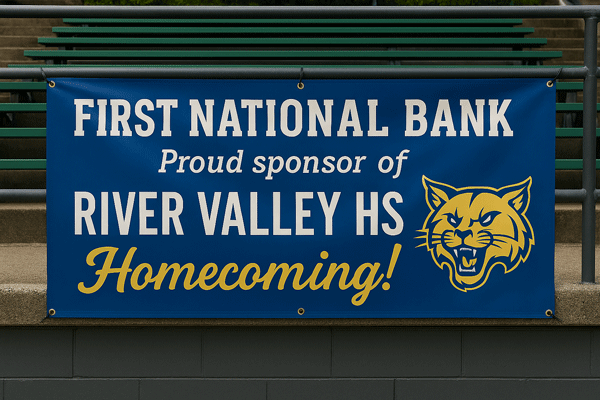
Local business partnerships provide serious financial backing when approached correctly. Businesses actively want to support schools, so the ask is often easier than committees expect.
Monetary Sponsorships
Lead with mutual benefit. Businesses gain community exposure while the school secures funds. Offer four specific sponsorship exposure options:
- A banner displayed at your Homecoming game
- A scoreboard ad during the game
- An ad on your school website
- A social media spotlight on your school’s accounts
Send a one-page sponsorship letter featuring three giving tiers ($100, $250, and $500) with corresponding exposure packages. Named tiers help businesses say yes quickly. Begin this outreach eight to 10 weeks before homecoming to accommodate corporate approval processes.
Table Busing and Grocery Bagging
Approach local restaurants for table busing shifts and grocery stores for grocery bagging shifts. In this model, customer tips go directly to the school fund. You must arrange this with the business well in advance. Hang a highly visible banner explaining who is collecting tips and what the funds support, as transparency drastically increases tip amounts. Ensure an advisor or parent volunteer supervises students during every shift.
Engage Alumni and Parents – They Want to Help More Than You Think
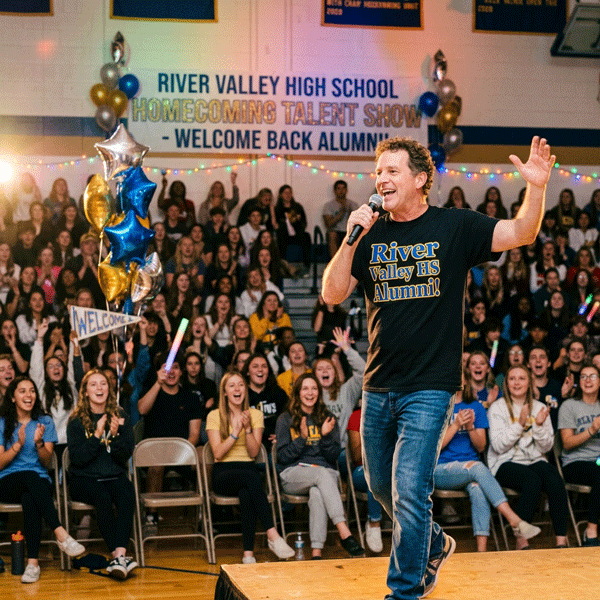
Homecoming represents the one school event that alumni already feel a deep personal connection to. Do not wait for a separate alumni event to ask for their support.
Invite alumni to perform in the talent show, bid in the silent auction, or play as honorary members in the basketball game. Parents also serve as a massive asset. Parents performing in the talent show guarantee their extended families will buy admission tickets. Parents are also the natural high bidders for teacher-offered chores at the chore auction.
For direct donations, send a targeted email or social post to alumni and parents. Ask for a specific dollar amount tied to a named goal, such as “Help us raise $2,000 for Homecoming decorations and supplies.” This drastically outperforms a generic fundraising appeal. Encourage the alumni network to share Spirit Week posts, providing your school with organic amplification at zero cost.
Promote Your Homecoming Fundraiser Ideas for Maximum Turnout

Revenue relies entirely on attendance. A multi-channel promotion plan ensures your events actually reach your target audience.
In-School Promotion
Begin morning announcements two weeks before the event, increasing to daily announcements the week of the fundraiser. Hang hallway posters detailing the event date, time, location, and admission price. Use homeroom period reminders to create peer accountability, and run a daily PA countdown.
Social Media Promotion
Create one primary event hashtag and use it consistently. Target Instagram and TikTok for student awareness, while relying on Facebook to reach parents and alumni. Post teaser content, behind-the-scenes planning updates, and countdown graphics. Assign two to three students to a social media team; peer-created content consistently outperforms admin-created content.
Community Promotion
Distribute flyers at local businesses, especially those sponsoring the event. Post announcements on local community boards, church bulletins, and neighborhood social apps like Nextdoor. Announce every event a minimum of two weeks out, giving complex events like a Fun Run at least four weeks of runway.
Tips for Planning Homecoming Fundraisers That Actually Come Together
The unglamorous operational work determines whether a fundraiser succeeds or collapses. Follow these fundamental planning steps:
- Plan early: Build a 10- to 12-week planning timeline. Venue booking, business outreach, and pledge collection require significant lead time.
- Get permissions first: Every external event requires advance approval from businesses, school administration, and local permit offices. Secure these before announcing anything to students.
- Use a planning tool: Track your progress accurately with budget lists and checklists on Anderson’s PromUs planning platform.
- Team up with booster clubs: Booster clubs offer volunteers, supplementary funds, and institutional knowledge. Make specific asks for volunteer hours or equipment loans rather than general pleas for help.
- Keep meticulous records: Document what worked, attendance counts, revenue generated, and business contacts. Next year’s committee needs this data.
- Include all students: Design every fundraiser with a low-cost or no-cost participation option so no student feels excluded.
- Prioritize safety: Physical events require a thorough safety review. Identify the responsible adult supervisor for every event prior to launch.
Redefining the Modern Homecoming Fundraiser
Fundraising ideas for Homecoming work best when they revolve around an event people want to attend, a competition people want to win, or a tradition people look forward to every month. By leveraging students, teachers, parents, and the broader community, your committee can abandon door-to-door sales entirely.
Ready to get started? Anderson’s has the spirit gear, decorations, prizes, and event supplies to make every fundraiser on this list worth showing up for. Shop Homecoming supplies now at andersons.com.